Imagine a scenario: Jesus, a first-century religious leader, is brutally executed. It seems like the end of the story, doesn't it? Wrong! His small band of followers, ordinary people with no fancy education, somehow managed to turn this into a religion that would transform the world.
It seems impossible, right? Here's the catch: history books often neglect to mention the hidden helpers who made it all possible.
Take Paul, for example, a pivotal figure in early Christianity. There's this famous story about how he received a vision from Jesus. But what most people don't know is the perilous situation this experience left him in. Blinded and stranded, he only survived thanks to the assistance of those accompanying him. These helpers are barely a footnote in the story, yet they were critical to Paul's success.

And their assistance went beyond safe passage. Paul wrote letters to spread his message, but guess what? He dictated them to others. One of his assistants was even named Tertius, a name hinting at a non-free status. Back then, having someone write things down for you was commonplace, especially if you were someone of importance.
These assistants became even more crucial when Paul found himself in prison. Wealthy followers would loan him enslaved people who could bring him food and maintain a connection to the outside world. Imagine trying to write a persuasive letter while stuck in a damp, dark jail!
The same goes for practically all the early Christian leaders. They all relied on secretaries to record their thoughts. There's even a story about Peter, another important figure, dictating his gospel to his helper Mark. Some sources suggest Mark might have even been enslaved.

Think about it: writing is hard work! Your hand cramps up, your eyes get tired. No wonder people with money had others do it for them. But these weren't simply mindless copy machines. They had to take what their superiors said and transform it into something clear and well-written. In some cases, they even snuck in little jokes or added missing information.
Even the smallest changes can have a significant impact. People have been debating the Bible for centuries, analyzing every single word. Imagine a secretary accidentally omitting a word or slightly modifying a phrase. That could have a profound effect on how people understand the religion!
These enslaved people weren't just helping with paperwork. Once something was written, they were the ones who carried it around, traveling to different places to spread the message. They answered questions, explained things, and helped lay the foundation for what would become a giant religion.

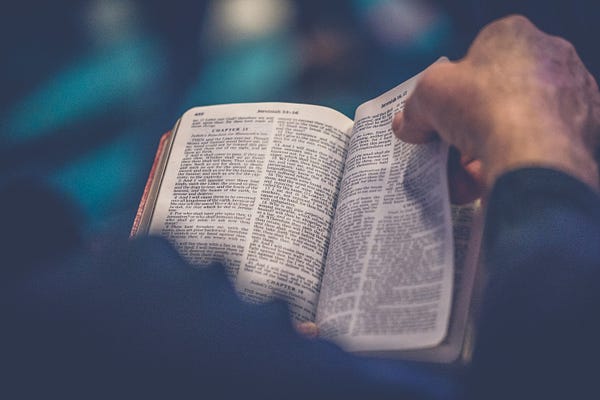
Think about it this way: when you read the Bible, or hear someone read it aloud at church, there's a good chance enslaved people were involved at some point. They copied the books, delivered them, and even helped people understand them through the way they read them aloud.
Everyday Life in the Ancient World
While the story of Christianity's rise focuses on apostles and preachers, the reality is that the religion heavily relied on the unseen labor of enslaved people who functioned as scribes and secretaries. To understand their contribution, it's important to look at the broader context of writing and secretarial work in the ancient world.

For most of history, writing was a laborious task. Papyrus, the main writing material, was expensive and fragile. Ink had to be specially prepared, and the tools of the trade – pens made from reeds and styluses for etching onto wax tablets – were far from user-friendly. Only a small percentage of the population was literate, and even among the elite, many preferred to dictate their thoughts and correspondence to scribes.
This professional class of scribes played a vital role in ancient society. They were employed by government officials, wealthy households, and even religious institutions. Their duties were wide-ranging, from copying legal documents and recording business transactions to composing letters and literary works. Skilled scribes weren't just copyists; they were expected to be familiar with grammar, rhetoric, and sometimes even shorthand writing systems.
Shaping Early Christian Texts

In the early Christian world, scribes played a crucial role in the development and transmission of religious texts. The New Testament itself is a collection of letters, gospels, and apocalyptic writings, all of which were dictated and then copied by scribes. These scribes weren't simply passive recorders of information. The act of copying itself involved making choices about formatting, spelling, and even punctuation.
Papyri fragments discovered by archaeologists reveal that some scribes weren't afraid to make substantive changes as well. In some cases, they corrected errors in the original text, clarified ambiguous passages, or even inserted missing information.
This ability to shape the message extended beyond simple copying. Scribes, with their knowledge of language and storytelling techniques, could subtly influence the tone and content of a text. They might have chosen chosen specific words that resonated with the intended audience or rearranged sentences for better flow. In some instances, they might have even added their own interpretations or elaborations, leaving their mark on the evolving religious text.

The influence of these scribes wasn't limited to the writing process. They were also responsible for the dissemination of Christian texts. Imagine the dangers involved in transporting these precious scrolls and codices across vast distances, often by sea or over treacherous mountain roads. Enslaved people played a critical role as couriers, braving these challenges to deliver the message to new communities.
Once delivered, the task of interpreting and explaining the scriptures fell to another group: enslaved readers. Since many early Christians were illiterate, these readers would bring the words to life during gatherings. Their vocal inflections, gestures, and even their personal understanding of the text would all shape how people grasped the Christian message.
The legacy of these invisible contributors is complex. Their names are often lost to history, and their stories remain untold. Yet, their fingerprints are all over the rise of Christianity. From the physical act of writing to the interpretation and dissemination of the religion's core texts, enslaved people played an essential role.

Recognizing their contributions isn't just about filling in the historical gaps. It's about acknowledging the often-overlooked power dynamics inherent in the creation and spread of knowledge. Throughout history, countless ideas and movements have been shaped by those who have been silenced or marginalized. The story of Christianity's rise is a powerful reminder of this, urging us to look beyond the surface and give credit to all those who contribute, seen and unseen.
Even today, the echoes of this dynamic can be felt in the world of authorship and creative collaboration. Ghostwriters play a vital role in bringing ideas to life, while editors and assistants shape the final product. Recognizing the contributions of these unseen figures allows for a more nuanced understanding of the creative process.
The rise of Christianity wasn't solely the work of a few charismatic leaders. It was fueled by the dedication and ingenuity of countless enslaved people who toiled in the background. Scribes, couriers, and readers – they all played a crucial role in shaping the religion we know today. Their stories deserve to be heard, reminding us of the invisible forces that often shape history's grand narratives.
Comments
Post a Comment